Discover Casa Rossa Ximenes: Maremma's Historical Treasure
July 04, 2025

I took a boat tour through the Diaccia Botrona Nature Reserve, starting right from the Casa Rossa Ximenes museum dock, and it was an incredible way to understand the region's environmental transformation. The museum's exhibits about land reclamation and Ximenes' mathematical work provided fascinating context to the landscape I was exploring.
A red-hued landmark where 18th-century mathematical genius meets environmental engineering, transforming Italy's most challenging marshlands. Discover how one brilliant Jesuit mathematician redesigned an entire ecosystem from his drawing board to reality.
Need-to-Know Info Before Visiting Museo Casa Rossa Ximenes
5+
images
Museo Casa Rossa Ximenes Address
Via Giacomo Matteotti, 58043 Castiglione della Pescaia GR, Italy
Museo Casa Rossa Ximenes Opening Hours
- 🕒 Summer (April-October): Daily 10 AM - 6 PM
- 🕒 Winter (November-March): Thursday-Sunday 10 AM - 4 PM
- 🕒 Closed on Mondays and major holidays
How to get to Museo Casa Rossa Ximenes
- 🚗 By car: Parking available near the museum in Castiglione della Pescaia
- 🚌 Public transport: Local bus routes connecting from Grosseto
- 🚕 Rideshare: Taxi services available in Castiglione della Pescaia
What is Museo Casa Rossa Ximenes known for?
- 18th-century architectural landmark designed by Jesuit mathematician Leonardo Ximenes in 1765
- Primary visitor center for the Diaccia Botrona Nature Reserve
- Key historical site representing Maremma's land reclamation efforts
- Departure point for educational boat tours exploring local wetlands
- Exhibits showcasing regional environmental and agricultural transformation
What is Museo Casa Rossa Ximenes in Castiglione della Pescaia?
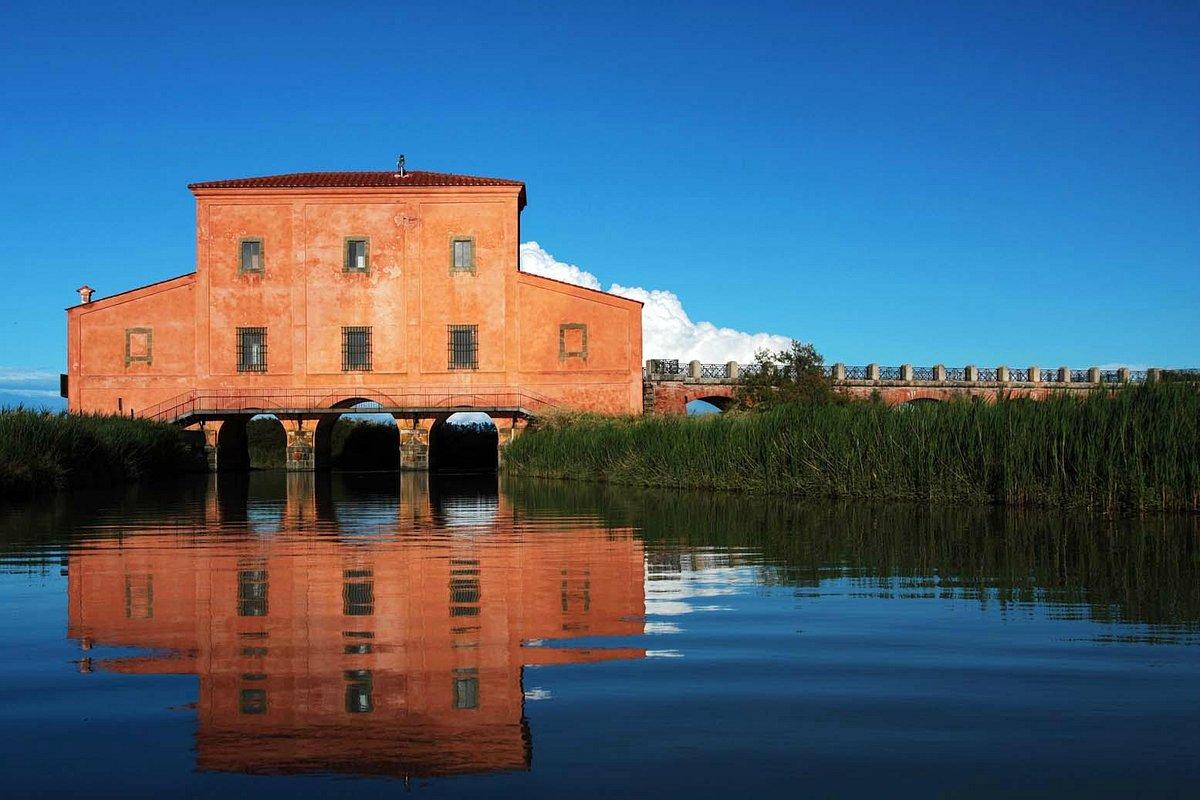
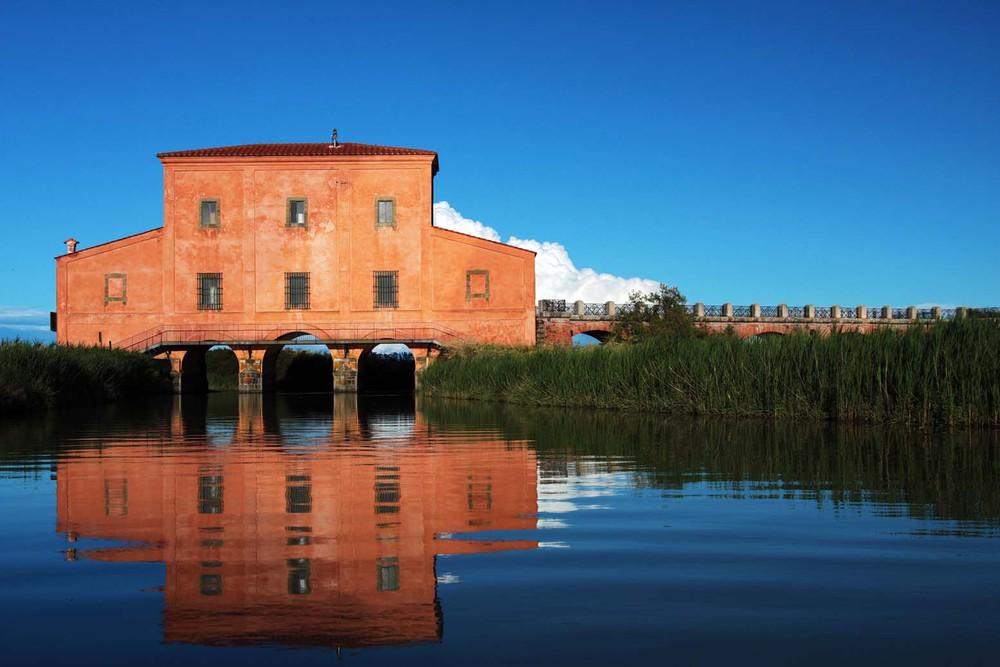
Tucked away in the heart of Castiglione della Pescaia, Casa Rossa Ximenes stands as a landmark that bridges Tuscany's rich environmental history with modern ecological education. Travelers seeking more than typical museum experiences will find this spot a gateway to understanding Maremma's complex landscape transformation. Built in 1765 by Leonardo Ximenes, a Jesuit mathematician, the red-hued building now serves as the primary visitor center for the Diaccia Botrona Nature Reserve. International tourists and local school groups frequently stop here to book boat tours, learn about wetland ecosystems, and explore the region's agricultural heritage. The museum attracts around 15,000 visitors annually, drawing nature enthusiasts, history buffs, and travelers curious about Tuscany's environmental evolution. Its strategic location makes it a key stop for understanding how humans reshaped the Maremma landscape from marshlands to productive agricultural zones. Photography fans appreciate the building's distinctive red exterior and surrounding natural scenery, which offers unique shots of the wetland ecosystem.
Top things to do at Museo Casa Rossa Ximenes
- Book a guided boat tour through the Diaccia Botrona Nature Reserve, departing directly from the museum's dock
- Explore the permanent exhibition detailing the historical land reclamation efforts of Maremma's landscape
- Attend seasonal educational workshops about local wetland ecosystems and wildlife conservation
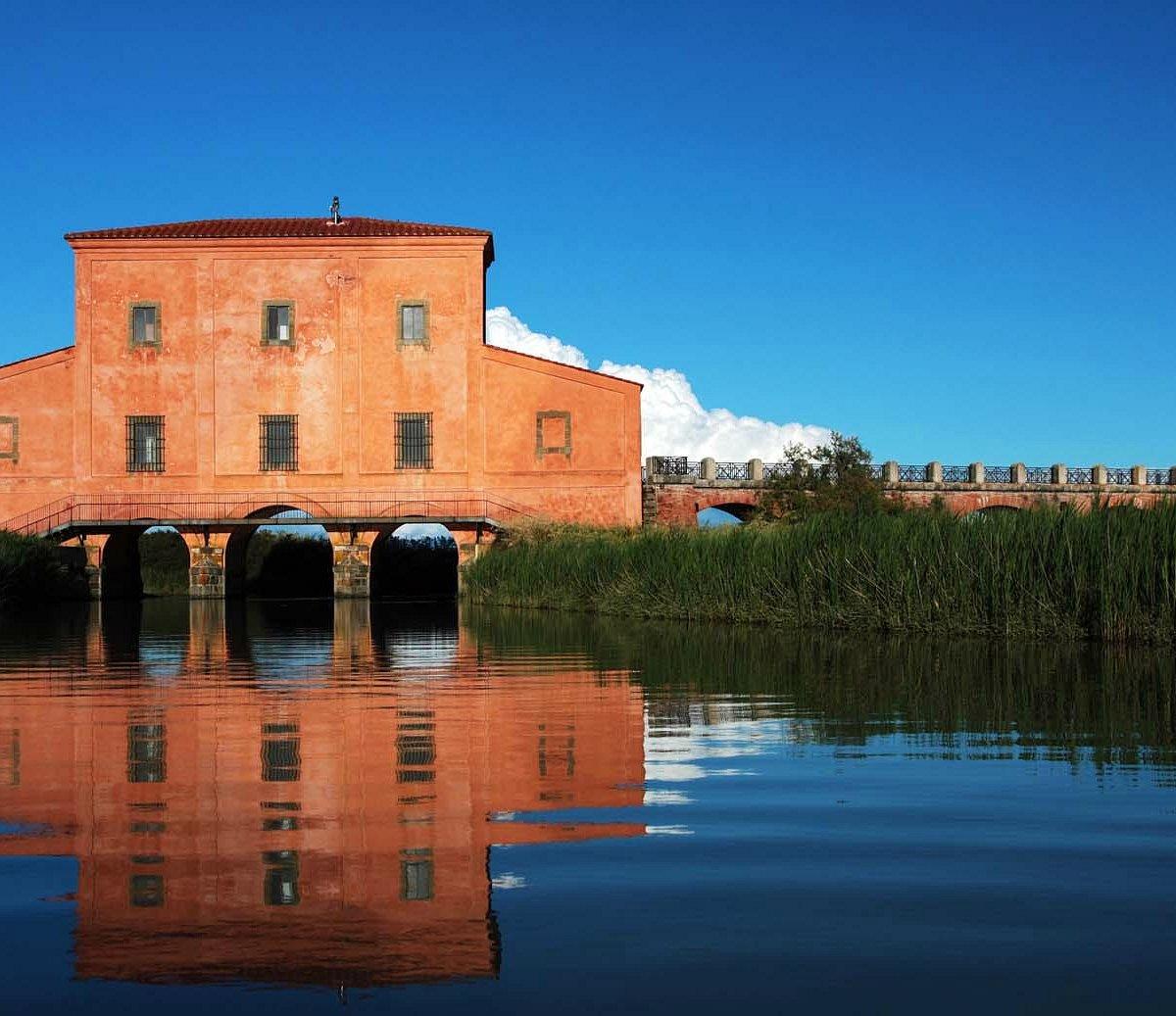
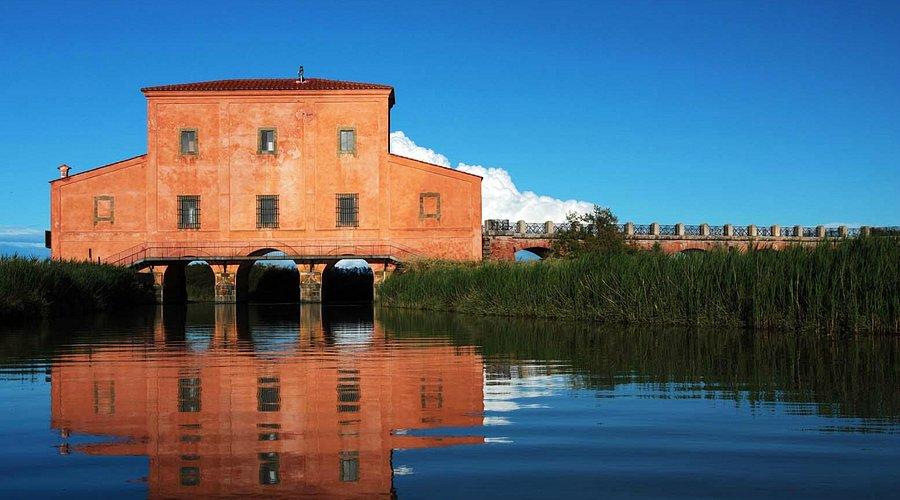
- Photograph the distinctive red-colored historic building, a landmark architectural example from 18th-century Tuscany
- Check out interactive displays showing Leonardo Ximenes' mathematical and cartographic contributions to regional mapping
- Visit the gift shop featuring local nature guides, regional books, and ecological souvenirs related to the Maremma area
History of Museo Casa Rossa Ximenes
- 1765: Original construction by Jesuit mathematician Leonardo Ximenes under Grand Duke Pietro Leopoldo of Lorena's commission
- 1780s: Played critical role in Maremma's land reclamation and drainage project
- Early 1900s: Building survived multiple regional agricultural transformations
- 2000: Officially converted into Diaccia Botrona Nature Reserve Visitor Center
- 2010: Comprehensive restoration project completed, preserving original 18th-century architectural features
Cultural Significance
Casa Rossa Ximenes represents a pivotal moment in Tuscan environmental engineering, symbolizing human intervention in transforming challenging marshy landscapes into productive agricultural zones. The building stands as a testament to the region's scientific and technological achievements during the Enlightenment period, showcasing how mathematical precision and architectural innovation could reshape entire ecosystems.
Tips for Visitors
- Wear comfortable walking shoes for potential nature reserve tours
- Bring a camera to capture the distinctive red building and surrounding wetlands
- Check boat tour schedules in advance, as they might have limited daily departures
- Carry water and sunscreen during summer months
- Allow at least 2 hours for a comprehensive museum and nature reserve experience
- Consider booking guided tours for deeper insights into local ecology and history
Tickets
Museum entry and boat tours require separate tickets. Standard adult ticket prices range from €8-12, with discounts available for students, seniors, and children. Online booking recommended during peak tourist season to guarantee availability.
What are some interesting facts about Museo Casa Rossa Ximenes?
- Leonardo Ximenes was not just an architect but a renowned mathematician who created groundbreaking topographical maps of Tuscany's marshlands
- The distinctive red color of the building gave it the nickname 'Casa Rossa' and was an unusual architectural choice for rural Tuscany in the 18th century
- The museum's location sits on what was once one of the most challenging wetland areas in Italy, which Ximenes helped transform through sophisticated drainage engineering